Skip to content
Last spring, an Annapolis homeowner called after noticing a small brown stain near the fireplace. The stain looked harmless and was easy to ignore. Six months later, what started as a minor water spot turned into thousands of dollars in masonry repairs, damaged insulation, rotted framing, and interior drywall replacement.
Situations like this are becoming increasingly common across Annapolis. Many homeowners never realize their chimney is leaking until the damage has already spread beyond the chimney itself.
The combination of Chesapeake Bay humidity, coastal storms, wind-driven rain, and aging masonry creates conditions where hidden moisture can quietly damage a chimney for months or even years before obvious warning signs appear.
In many cases, homeowners are not paying for a chimney leak. They are paying for years of unnoticed water intrusion.
The good news is that most of these expensive repairs are preventable. Understanding how chimney water damage develops, recognizing the early warning signs, and scheduling professional chimney inspections can save Annapolis homeowners significant repair costs while protecting the long-term value of their property.
Why Chimney Water Damage Is Common in Annapolis
Many homeowners are surprised to learn that water is often the biggest threat to a chimney, not fire.
Throughout Annapolis, homes are exposed to a unique combination of environmental conditions. The area’s proximity to the Chesapeake Bay creates high humidity levels for much of the year. Add frequent rainfall, seasonal temperature fluctuations, and salt-laden air, and you have the perfect environment for gradual chimney deterioration.
One of the most common chimney problems in Annapolis homes is moisture penetration through aging masonry. Brick may appear strong from the outside, but it is naturally porous. Over time, water can seep into tiny cracks and openings. As moisture repeatedly enters and exits the masonry structure, damage slowly develops beneath the surface.
Many waterfront home chimney issues begin this way. Homeowners often assume their chimney is in good condition because it looks fine from the ground. However, hidden deterioration may already be occurring around mortar joints, flashing systems, chimney crowns, and other vulnerable areas.
At CSR Chimney Service, we’ve seen countless cases where homeowners believed they had a simple leak, only to discover extensive structural damage during a professional chimney damage inspection. In many situations, the repair costs could have been reduced dramatically if the issue had been identified earlier.
7 Warning Signs of Hidden Chimney Water Damage
One of the biggest reasons homeowners face expensive repairs is that they miss the early warning signs.
Understanding these chimney water damage signs can help you take action before the problem becomes severe.
Water Stains Around the Fireplace
Brown or yellow stains on ceilings and walls near the chimney are often early indicators of water leaking into the chimney system. These stains may appear small at first but typically worsen over time.
Musty Odors Near the Fireplace
Persistent moisture often creates unpleasant smells. If your fireplace area develops a damp or musty odor, hidden moisture may already be affecting interior materials.
White Staining on Brick Surfaces
A chalky white substance known as efflorescence forms when water moves through masonry and leaves mineral deposits behind. This is one of the clearest signs of ongoing chimney moisture problems.
Damaged Interior Walls
Peeling paint, bubbling drywall, and warped trim around the chimney can indicate long-term water intrusion.
Rust on Metal Components
Rust around dampers, chimney caps, fireplace doors, or flashing components frequently points to excess moisture entering the system.
Cracked Mortar Joints
As water penetrates masonry materials, mortar joints begin to weaken. This often leads to chimney masonry deterioration and more expensive repairs if ignored.
Visible Crown Damage
Many homeowners overlook the top of the chimney. However, chimney crown damage signs such as cracks or surface deterioration often allow significant amounts of water to enter the structure.
How Coastal Humidity and Salt Air Affect Annapolis Chimneys
The coastal environment that makes Annapolis such a beautiful place to live can also create serious challenges for chimneys.
Unlike homes located farther inland, Annapolis properties are regularly exposed to moisture-rich air coming from the Chesapeake Bay. This constant humidity increases the amount of moisture absorbed by masonry materials throughout the year.
Salt air chimney damage is another factor many homeowners don’t consider. Tiny salt particles carried by coastal winds can gradually accelerate deterioration of masonry, metal flashing, chimney caps, and other exposed components.
Over time, these environmental conditions contribute to:
- Faster mortar joint deterioration
- Increased masonry cracking
- Accelerated metal corrosion
- Higher risk of chimney flashing leak issues
- Greater moisture retention inside chimney structures
This is why Annapolis chimney maintenance requires a different approach than chimney care in many other parts of Maryland.
Homeowners who invest in routine chimney inspection and repair services often avoid the major structural problems that develop when moisture is allowed to remain undetected for years.
The Most Common Causes of Chimney Leaks
Many homeowners ask the same question:
Why Is My Chimney Leaking?
The answer usually involves one or more of several common failure points.
Damaged Chimney Flashing
Flashing is the metal barrier installed where the chimney meets the roof. Its job is to prevent water from entering vulnerable gaps.
Over time, flashing can separate, corrode, or become damaged by weather exposure. A chimney flashing leak is one of the most common sources of water intrusion found during chimney inspection services.
In many cases, timely chimney flashing repair can prevent thousands of dollars in future damage.
Cracked Chimney Crown
The chimney crown acts as the protective roof of the chimney structure. When cracks develop, rainwater begins entering the masonry system below.
Many homeowners don’t realize how much damage a small crown crack can cause. Without proper chimney crown repair, moisture continues spreading deeper into the structure with every storm.
Missing or Damaged Chimney Cap
The chimney cap’s importance cannot be overstated. A properly installed cap helps prevent rainwater, debris, animals, and moisture from entering the chimney system.
When caps become damaged or go missing entirely, water intrusion becomes much more likely.
This is one reason chimney cap installation and repair remains one of the most valuable preventive maintenance services available to homeowners.
Deteriorating Masonry
Another major cause of chimney leak repair projects is aging brick and mortar. Over time, water gradually breaks down masonry materials, creating new pathways for moisture intrusion.This process is often slow and difficult to detect without a professional chimney inspection.
How Professional Chimney Inspections Detect Hidden Damage Before It Becomes Expensive
One of the biggest misconceptions among homeowners is believing that if a chimney looks fine from the outside, it must be functioning properly.
In reality, some of the most expensive chimney repairs begin with problems that cannot be seen from the ground. Small flashing gaps, hidden moisture penetration, deteriorating mortar joints, and early-stage liner issues often remain unnoticed for months or even years.
This is where professional chimney inspection services become essential.
In Annapolis, many chimney problems develop gradually because of constant exposure to humidity, wind-driven rain, and seasonal weather changes. By the time visible symptoms appear inside the home, moisture has often already affected multiple parts of the chimney system.
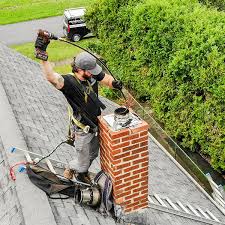
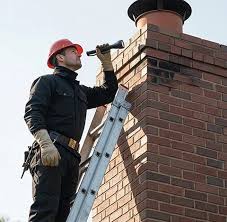
A thorough chimney damage inspection typically evaluates:
- Masonry condition
- Mortar joint integrity
- Chimney crown condition
- Flashing performance
- Chimney cap effectiveness
- Interior moisture evidence
- Venting system condition
- Chimney liner inspection requirements
Homeowners frequently ask how often a chimney should be inspected.
The answer is simple: at least once per year.
Annual inspections help identify developing issues before they turn into major chimney repair services. In many cases, a relatively small repair discovered during an inspection can prevent a much larger chimney structural repair project in the future.
One thing we regularly see in Annapolis homes is moisture damage hiding behind otherwise attractive brickwork. From the street, the chimney appears perfectly healthy. A closer inspection, however, reveals deteriorating mortar joints, moisture intrusion, and crown damage that will continue worsening if left untreated.
That is why a certified chimney inspection should never be viewed as an unnecessary expense. It is one of the most cost-effective ways to protect both the chimney and the home itself.
The Role of Chimney Waterproofing in Preventing Expensive Repairs
Many homeowners only think about repairs after damage occurs.
The smarter approach is preventing the damage from happening in the first place.One of the most effective tools for preventing chimney water damage is professional chimney waterproofing services.
A properly applied waterproofing treatment creates a protective barrier that helps masonry resist moisture absorption while still allowing trapped water vapor to escape. This distinction is important because chimneys need to breathe. Simply sealing masonry with the wrong product can create additional problems.
The chimney waterproofing benefits extend far beyond moisture protection.
Homeowners often experience:
- Reduced water penetration
- Longer masonry lifespan
- Less mortar deterioration
- Lower repair costs over time
- Improved structural durability
- Better protection against freeze-thaw damage
For Annapolis homeowners, waterproofing is especially valuable because of the local environment.
Coastal climate chimney damage often develops slowly. Moisture enters the masonry, remains trapped for long periods, and gradually weakens the structure. Salt exposure can accelerate the process further.
A professionally waterproofed chimney has a much better chance of withstanding the unique conditions found throughout the Chesapeake Bay region.
When homeowners ask how to stop chimney leaks, waterproofing is often one of the most important long-term solutions recommended after necessary repairs have been completed.
When to Schedule Chimney Cleaning and Inspection Services
Many people associate chimney maintenance only with winter.The reality is that chimney maintenance services should be considered a year-round responsibility.
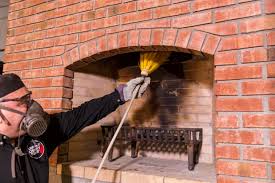
The best time for chimney cleaning and inspection is often before peak fireplace season begins. Scheduling service before colder weather arrives allows homeowners to identify problems early and avoid unexpected repairs when the fireplace is needed most.Professional chimney cleaning services do much more than remove soot.
A complete service may include:
- Professional chimney cleaning
- Fireplace and chimney cleaning
- Residential chimney cleaning
- Chimney sweep services
- Chimney inspection and repair recommendations
- Moisture assessment
- Safety evaluation
For homeowners who regularly use their fireplaces, annual chimney safety inspection appointments should be considered standard maintenance.
In Annapolis, we often see homeowners wait until they notice a leak or odor before calling for service. Unfortunately, that delay frequently allows small problems to become expensive repairs.Preventive maintenance almost always costs less than emergency restoration.
Annual Chimney Maintenance Checklist for Annapolis Homeowners
Protecting a chimney does not require complicated maintenance. Consistency is what matters most.
A practical chimney maintenance checklist includes:
- Schedule an annual chimney inspection
- Check for visible crown cracks
- Look for damaged mortar joints
- Monitor interior walls for water stains
- Inspect chimney cap condition
- Watch for rust around fireplace components
- Address flashing problems quickly
- Schedule professional cleaning when necessary
- Consider waterproofing if masonry is exposed to frequent moisture
This simple annual chimney inspection checklist can significantly reduce the likelihood of major repairs.The homeowners who spend the least on chimney restoration are usually those who address small concerns before they become large ones.
Does Homeowners Insurance Cover Chimney Leaks?
This is one of the most common questions homeowners ask after discovering water damage.
Does homeowners insurance cover chimney leaks?
The answer depends on the cause.Insurance policies may provide coverage when damage results from a sudden covered event. However, damage caused by long-term neglect, deferred maintenance, or gradual deterioration is often treated differently.
Because every policy is unique, homeowners should review their coverage carefully and consult their insurance provider directly.Regardless of coverage details, regular inspections and maintenance remain the most reliable way to avoid costly surprises.
How Much Water Damage Can a Chimney Cause?
Far more than most homeowners realize.A chimney leak rarely damages only the chimney.Water can migrate into roofing systems, attic spaces, insulation, framing materials, drywall, flooring, and interior finishes. In severe situations, homeowners may face repairs involving multiple contractors and several parts of the property.
What starts as a small flashing gap can eventually lead to extensive chimney water damage repair costs.This is why addressing chimney leak warning signs early is so important.The sooner moisture intrusion is discovered, the easier and more affordable the solution typically becomes.
Protect Your Annapolis Home with Professional Chimney Care
The reality is simple.
Most homeowners do not spend thousands of dollars because of a single storm. They spend thousands because hidden moisture problems go unnoticed for months or years.
Annapolis presents unique challenges for chimney systems. High humidity, coastal exposure, seasonal storms, and moisture-rich air all contribute to accelerated deterioration when maintenance is neglected.
The good news is that most major repairs are preventable.
Regular chimney inspection services, timely chimney leak repair, chimney crown repair, chimney flashing repair, chimney masonry repair, and professional chimney waterproofing services can dramatically reduce the risk of serious damage.
At CSR Chimney Service, we understand the specific challenges Annapolis homeowners face because chimney care in humid climates requires a different approach than maintenance in many other regions. From waterfront properties exposed to constant moisture to historic homes with aging masonry systems, every chimney requires a solution tailored to its condition and environment.
Whether you have noticed water leaking into your chimney, suspect hidden moisture issues, or simply want peace of mind before the next storm season, investing in proactive maintenance today can help you avoid expensive repairs tomorrow.
A chimney is designed to protect your home. With the right care, inspections, and preventive maintenance, it can continue doing exactly that for many years to come.
Frequently Asked Questions
Why is my chimney leaking when there are no visible cracks?
Many chimney leaks originate from flashing failures, deteriorated mortar joints, damaged crowns, or missing chimney caps. The source of water intrusion is not always visible from ground level.
Can rain damage a chimney?
Yes. Repeated exposure to rain can cause masonry deterioration, mortar joint damage, crown cracking, and moisture penetration if the chimney is not properly maintained.
What causes chimney masonry damage?
The most common causes include moisture intrusion, freeze-thaw cycles, aging mortar joints, salt exposure, and long-term weathering.
What are the signs your chimney needs inspection?
Water stains, musty odors, white staining on brick surfaces, rusted components, cracked mortar joints, and visible crown damage are all common warning signs.
How often should a chimney be inspected?
Most industry professionals recommend a chimney inspection at least once per year, even if the fireplace is not used frequently.
What is the importance of a chimney cap?
A chimney cap helps prevent rainwater, debris, animals, and moisture from entering the chimney system while also protecting internal components.
Is chimney waterproofing worth it?
For many Annapolis homes, especially those exposed to high humidity and coastal weather conditions, professional waterproofing can significantly reduce moisture-related deterioration.
When should a chimney be repaired?
A chimney should be repaired as soon as signs of water intrusion, masonry damage, flashing problems, or structural concerns are identified.
Can chimney leaks lead to structural damage?
Yes. Long-term moisture intrusion can affect masonry, framing, drywall, roofing materials, and other structural components throughout the home.
How can homeowners prevent chimney water damage?
Regular inspections, prompt repairs, professional waterproofing, proper chimney cap installation, and ongoing maintenance are the most effective preventive measures.