A chimney is a vital component of any home with a fireplace, wood stove, or furnace, allowing smoke and dangerous gases to exit safely. However, over time, debris, soot, creosote, or even animal nests can obstruct the chimney. Understanding How Chimney Blockage Removal Keeps Homes Safe in Bowie, MD is essential for homeowners who want to protect their property, family, and indoor air quality.
Professional services from companies like CSR Chimney Service ensure chimneys remain clear, structurally sound, and safe for use. Residents in surrounding areas also rely on expert services such as Chimney Blockage Removal Keeps Homes Safe in Annapolis, MD and Chimney Blockage Removal Keeps Homes Safe in Edgewater, MD to prevent hazards, improve efficiency, and maintain long-term chimney health.
Understanding Chimney Blockages
A chimney blockage occurs when any obstruction prevents smoke, gases, and hot air from venting properly. Common causes include:
- Creosote buildup: A sticky, flammable residue from burning wood
- Soot accumulation: Fine particles that coat flue walls
- Animal nests: Birds, squirrels, or raccoons may enter the flue
- Debris: Leaves, twigs, or other materials may fall into the chimney
- Structural damage: Collapsed flue liners or bricks obstruct airflow
Blockages not only reduce fireplace efficiency but also pose severe safety risks if left untreated.
Risks of a Blocked Chimney
Ignoring chimney blockages can result in several hazards:
1. Fire Hazards
Creosote and soot are highly flammable. When airflow is restricted, heat and embers can ignite accumulated deposits, leading to dangerous chimney fires.
2. Carbon Monoxide Exposure
Blocked chimneys prevent harmful gases from escaping, allowing carbon monoxide—a colorless, odorless, and toxic gas—to enter your home, creating life-threatening conditions.
3. Smoke Backdraft
Obstructed chimneys force smoke into living areas, leaving soot stains, odors, and reducing indoor air quality.
4. Reduced Fireplace Efficiency
Restricted airflow reduces heat output and makes starting and maintaining fires difficult.
5. Structural Damage
Debris and moisture trapped in a blocked chimney accelerate deterioration of masonry, flue liners, and mortar joints, leading to costly repairs.
Signs You Need Professional Chimney Blockage Removal
Homeowners should watch for these warning signs:
- Smoke entering the home rather than venting outside
- Unusual odors from the fireplace or chimney
- Difficulty starting a fire or maintaining flame
- Pest activity or evidence of animals in the chimney
- Water leaks or moisture stains near the fireplace
- Strange noises, such as rustling or scratching, indicating animal nests
Even without obvious signs, chimneys should be inspected and cleaned regularly to prevent hidden blockages.
Professional Chimney Blockage Removal Process
Hiring CSR Chimney Service ensures a safe, thorough, and professional approach:
1. Comprehensive Inspection
Technicians assess the chimney for:
- Creosote and soot buildup
- Animal or debris obstructions
- Structural damage
- Draft and airflow performance
2. Removal of Blockages
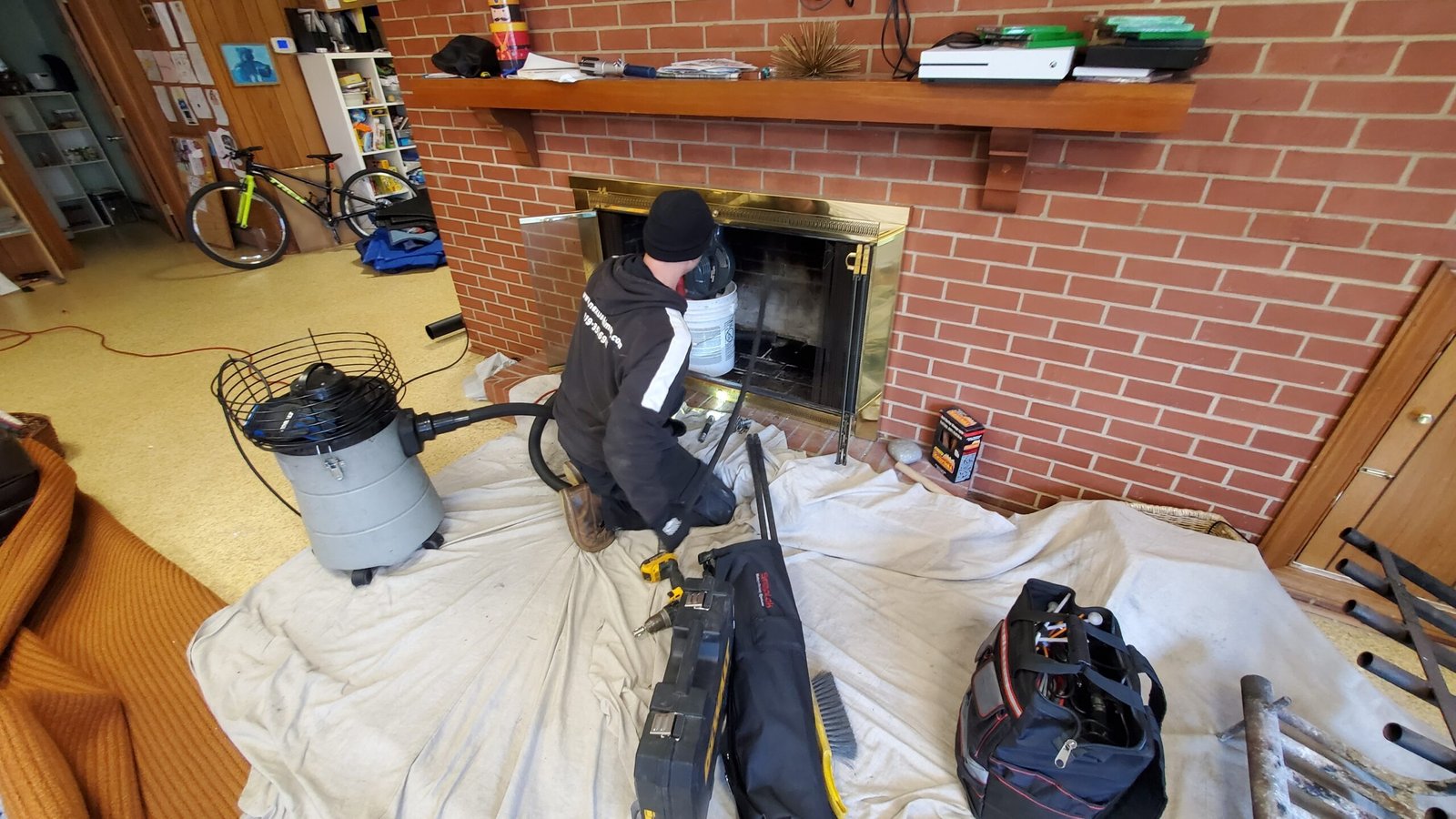
Using specialized brushes, vacuums, and tools, debris and obstructions are cleared from the flue, ensuring proper ventilation.
3. Creosote and Soot Cleaning
Accumulated creosote and soot are removed to reduce fire hazards and restore efficiency.
4. Structural Assessment
Flue liners, chimney caps, and masonry are examined to identify damage that could contribute to future blockages.
5. Final Evaluation
The chimney is tested for proper airflow, and homeowners receive recommendations for maintenance or repairs to prevent recurrence.
Benefits of Professional Chimney Blockage Removal
Fire Safety
Removing blockages and creosote minimizes the risk of chimney fires, protecting both home and family.
Carbon Monoxide Prevention
A clear chimney ensures that dangerous gases vent properly, reducing health risks.
Improved Draft and Efficiency
Restoring unobstructed airflow allows fires to burn hotter, cleaner, and more efficiently.
Structural Protection
Blockage removal prevents moisture retention and creosote accumulation, protecting masonry, liners, and mortar joints.
Peace of Mind
Professional removal ensures your chimney is safe, efficient, and ready for regular use, giving homeowners confidence in their fireplace’s safety.
Regional Considerations
Maryland homeowners face unique chimney challenges due to climate, seasonal use, and home construction:
- Bowie, MD: Frequent fireplace use and older homes increase the risk of blockages.
- Annapolis, MD: Coastal humidity accelerates creosote buildup and can cause moisture-related structural damage.
- Edgewater, MD: Heavily wooded areas may increase debris and animal activity in chimneys.
Local expertise ensures that chimney blockage removal addresses these specific regional concerns effectively.
Preventive Maintenance Tips
To minimize future blockages, homeowners can adopt these practices:
- Burn only seasoned, dry firewood
- Avoid burning paper, cardboard, or trash
- Install chimney caps to prevent animal entry and debris accumulation
- Schedule annual professional chimney inspections and cleanings
- Ensure dampers are fully open during use
Preventive maintenance works hand-in-hand with professional removal to keep chimneys safe and efficient.
Why Choose CSR Chimney Service
Experienced Technicians
Our certified team specializes in thorough blockage removal, creosote cleaning, and structural inspection.
Advanced Equipment
We use professional brushes, vacuums, and inspection cameras to detect and remove even hidden blockages safely.
Comprehensive Approach
From removal and cleaning to structural assessment and maintenance recommendations, we handle every aspect of chimney safety.
Commitment to Safety
Preventing fires, carbon monoxide hazards, and structural damage is our top priority.
Trusted Regional Service
With CSR Chimney Service, homeowners in Bowie, Annapolis, and Edgewater receive reliable, professional, and efficient service tailored to their chimneys’ unique needs.
Frequently Asked Questions
1. How often should chimney blockages be removed?
Annual inspections and cleanings are recommended, especially for wood-burning fireplaces or high-use chimneys.
2. Can blockage removal prevent chimney fires?
Yes. Removing creosote, debris, and other obstructions significantly reduces fire risk.
3. How long does professional blockage removal take?
Most services take a few hours, depending on chimney size, condition, and type of blockage.
4. Is professional removal messy?
No. Technicians use protective coverings and specialized vacuums to prevent soot and debris from contaminating the home.
5. Can chimney blockage removal improve fireplace efficiency?
Absolutely. Clear flues restore proper airflow, allowing fires to burn hotter and more efficiently.
6. Can animals return after removal?
Properly installed chimney caps and routine maintenance help prevent repeat animal intrusion.