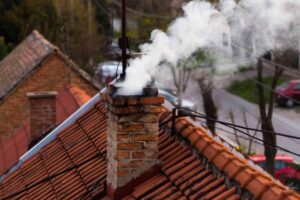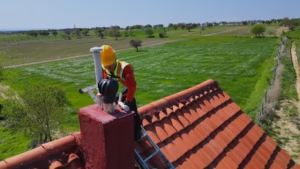
A fireplace adds warmth, comfort, and charm to a home, but behind that cozy glow lies a complex ventilation system that must function properly to ensure safety. One of the most critical components of that system is the chimney liner. When damaged or deteriorating, it can allow dangerous gases—especially carbon monoxide—to seep into your living space. That is why homeowners rely on professional Chimney Liner Inspection in Edgewater, MD to maintain safe and efficient operation.
Companies like CSR Chimney Service understand the vital role chimney liners play in protecting families from invisible hazards. Carbon monoxide is odorless, colorless, and potentially life-threatening. Without proper inspection and maintenance, liner defects can go unnoticed until serious issues arise. Regular professional inspections are not just routine maintenance—they are a proactive step toward safeguarding your home and loved ones.
Homeowners searching for the best Chimney Liner Inspection in Pasadena, CA and those looking for expert Chimney Liner Inspection in Severna Park, MD also recognize that professional evaluation is essential to maintaining a safe and functional chimney system.
Understanding the Purpose of a Chimney Liner
A chimney liner is installed inside the flue to perform three primary functions:
- Protect the home’s structure from excessive heat transfer
- Direct harmful combustion gases safely outdoors
- Improve fireplace efficiency by ensuring proper airflow
Without a properly functioning liner, heat and gases can escape through cracks in the chimney walls, leading to structural damage, fire risks, and carbon monoxide leaks.
Why Carbon Monoxide Is a Serious Concern
Carbon monoxide is produced whenever fuel burns. Wood-burning fireplaces, gas inserts, and heating appliances all generate this gas as a byproduct of combustion. Under normal circumstances, the chimney liner directs these gases safely outside.
However, when the liner is cracked, corroded, misaligned, or blocked, the chimney cannot vent properly. This can cause backdrafting, where dangerous gases re-enter the home instead of exiting through the flue.
Carbon monoxide exposure may lead to:
- Headaches and dizziness
- Fatigue and nausea
- Confusion and shortness of breath
- More severe health complications in extreme cases
Because it is impossible to detect without specialized equipment, prevention through inspection is critical.
How Chimney Liner Inspection in Edgewater, MD Detects Risks
A professional Chimney Liner Inspection in Edgewater, MD involves a thorough evaluation of the chimney’s interior structure. The goal is to identify vulnerabilities before they pose a danger.
1. Identifying Cracks and Gaps
Clay tile liners can crack due to temperature fluctuations or moisture exposure. Even small fractures allow gases to escape into surrounding walls or attic spaces. Metal liners may corrode over time, creating similar hazards.
2. Checking for Corrosion and Rust
Metal chimney liners are durable, but moisture and acidic residue from combustion can cause deterioration. Rusted liners compromise proper ventilation and increase carbon monoxide risks.
3. Detecting Blockages
Bird nests, leaves, creosote buildup, or debris can obstruct airflow. Blocked flues increase pressure inside the chimney, leading to backdrafting and gas infiltration.
4. Evaluating Creosote Accumulation
Creosote buildup restricts airflow and creates fire hazards. During inspection, professionals assess the level of accumulation and recommend cleaning if necessary.
5. Using Video Scanning Technology
Modern inspections often include internal camera systems that provide a detailed view of the chimney liner. This allows technicians to identify hidden cracks, separations, or structural weaknesses not visible from the outside.
Professionals like those at CSR Chimney Service prioritize precision and thoroughness during inspections, ensuring no potential risk goes unnoticed.
Why Edgewater Homes Require Regular Inspections
Environmental factors in Edgewater can contribute to chimney liner deterioration. Coastal moisture, temperature changes, and seasonal fireplace use all place stress on chimney systems.
Moisture infiltration is particularly concerning. When water enters small cracks in clay liners, it can expand and worsen damage over time. Metal liners exposed to moisture may corrode faster, reducing their lifespan and effectiveness.
Routine inspections ensure that minor issues are detected and corrected before they escalate into serious carbon monoxide hazards.
Signs You May Need a Chimney Liner Inspection
Although many chimney liner problems remain hidden, certain warning signs suggest immediate attention is necessary:
- Smoke entering the room during fireplace use
- Persistent unpleasant odors from the chimney
- Visible cracks in flue tiles
- Rust flakes in the fireplace
- Difficulty starting or maintaining a fire
- Excessive soot or creosote buildup
If you notice any of these signs, scheduling a professional Chimney Liner Inspection in Edgewater, MD is essential.
Types of Chimney Liners and Their Risks
Different types of chimney liners require specialized inspection methods.
Clay Tile Liners
Common in traditional masonry chimneys, clay liners are durable but prone to cracking under extreme heat. Cracked tiles create pathways for gas leaks.
Stainless Steel Liners
Often used in modern installations or relining projects, stainless steel liners are flexible and corrosion-resistant. However, they can still deteriorate if exposed to excessive moisture or acidic residue.
Cast-in-Place Liners
These liners form a seamless, insulated barrier inside the chimney. Inspections ensure there are no internal fractures or separations.
Regardless of liner type, professional inspection remains essential to maintaining safety.
The Inspection Process: What Homeowners Can Expect
When scheduling a chimney liner inspection, homeowners can expect a structured and thorough process:
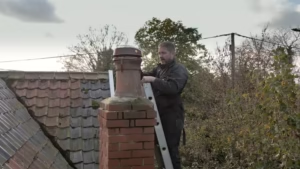
- Exterior Assessment – Inspecting chimney caps, crowns, and masonry for visible damage.
- Interior Flue Examination – Using cameras or mirrors to inspect liner integrity.
- Draft Testing – Checking airflow to ensure gases are venting properly.
- Creosote Evaluation – Assessing buildup levels and recommending cleaning if needed.
- Comprehensive Report – Providing findings and suggested solutions.
This systematic approach ensures every potential carbon monoxide risk is carefully evaluated.
Regional Demand for Professional Chimney Liner Inspections
The need for chimney liner inspections extends beyond Edgewater:
- Homeowners seeking the best Chimney Liner Inspection in Pasadena, CA prioritize meticulous inspection standards.
- Residents searching for expert Chimney Liner Inspection in Severna Park, MD value thorough evaluations and detailed safety assessments.
In every region, proactive maintenance helps prevent hazardous gas leaks and improves overall chimney performance.
Additional Benefits of Chimney Liner Inspection
While detecting carbon monoxide risks is the primary goal, inspections offer several additional advantages:
Enhanced Fireplace Efficiency
Proper ventilation improves draft and ensures optimal heating performance.
Reduced Fire Hazards
Identifying creosote buildup and structural weaknesses lowers the risk of chimney fires.
Extended Chimney Lifespan
Early detection of damage prevents long-term deterioration and structural failure.
Improved Indoor Air Quality
Safe ventilation ensures smoke and combustion gases do not accumulate inside the home.
Why Choose Us
Choosing a reliable inspection provider is critical for your home’s safety.
Skilled and Experienced Technicians
Our team understands the complexities of chimney liner systems and identifies even subtle warning signs.
Advanced Inspection Tools
We utilize modern camera technology and diagnostic methods for precise assessments.
Comprehensive Safety Focus
Every inspection addresses both structural integrity and carbon monoxide prevention.
Clear Communication
We provide detailed explanations and practical recommendations to help homeowners make informed decisions.
Commitment to Excellence
With the expertise of CSR Chimney Service, homeowners can trust that their chimney liner inspections are conducted with professionalism and care.
Frequently Asked Questions
1. How often should a chimney liner be inspected?
A professional inspection is recommended annually, especially before heavy fireplace use.
2. Can a small crack in the liner cause carbon monoxide leaks?
Yes. Even minor cracks can allow gases to escape into surrounding spaces.
3. Is chimney liner inspection necessary for gas fireplaces?
Yes. Gas appliances also produce combustion gases that require proper ventilation.
4. Are inspections messy?
Professional technicians take protective measures to keep your home clean during the inspection process.
5. What happens if damage is found?
Technicians will recommend repairs or liner replacement to restore safety and efficiency.
6. How long does an inspection take?
The duration varies depending on chimney size and condition, but thoroughness is always prioritized.