Learn how professional chimney testing saves your property. Spot flue cracks, chimney leaks, and structural brick breakdown early.
Chilly winter evenings make us look forward to a warm fire inside our living rooms. Our fireplaces keep our households cozy and bring our families together during cold spells. But when did you last hire a professional to check the masonry outside your house? A hidden breakdown inside your fireplace system can create a dangerous situation very quickly. We want to help you identify the early warnings of internal cracking before they hurt your property value. Booking an assessment with our local crew at CSR Chimney Service guarantees that your fireplace runs safely and stays efficient all year long.
Many property owners never look closely at their high rooflines until brown water stains show up on their ceilings. By that point, small hairline splits have already grown into major structural problems. Did you know that your external brickwork acts as a shield against heavy rain and snow? When the sandy mortar joints between your bricks wear down, rain runs straight into your attic walls. Regular physical checkups stop these hidden water leaks from destroying your drywall and ceiling timber framing.
We believe that sharing clear facts helps everyone make smarter choices about home maintenance. A classic brick chimney has several separate parts that must work together to move smoke safely outside. You have the external brick structure, the inner clay block lining, and the flat concrete top wash. If even one of these parts fractures, the entire heating setup becomes unsafe to use. Our skilled team can fix these individual problems to protect your household from house fires and toxic gas leaks.
Spotting Hidden Structural Changes Early
How can you tell if your home chimney system is beginning to fail? One common indicator is when small pieces of red clay tile start falling down into your open firebox. This crumbling happens when moisture gets trapped inside the porous clay blocks and freezes during cold Maryland winters. The trapped water turns into ice, expands with high pressure, and breaks the face off the material. This specific type of structural breakdown weakens your venting pipe completely if you do not fix it.
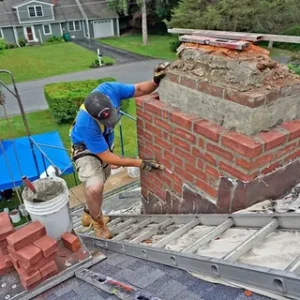
Another clear warning sign is when the sandy mortar lines start flaking into light powder. You might also notice white salty stains coating the outside faces of your red exterior bricks. This white powder is salt that damp weather leaves behind when it dries on the brick surfaces. If you see these signs around your roofline, you should get professional assistance without delay. Arranging a fast repair prevents hot sparks from escaping through the gaps into your wooden attic supports.
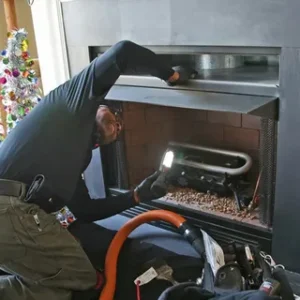
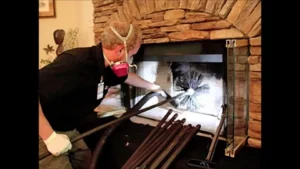
We use advanced diagnostic tools to check your heating structure from top to bottom. Our technicians can run special video cameras through the full length of your flue pipe to find tiny cracks. Booking the Best Chimney inspection near me in Columbia, MD connects you with careful workers who can check your brick walls properly. Fixing your clay tiles early keeps smoky exhaust from filtering into your bedrooms.
Common Testing Points and Fire Statistics
Let us look at the main areas that our team tests to keep local homes safe. Every section of your heating setup requires different testing methods to evaluate correctly. The detailed table below explains the primary points we look at during our safety visits.
| Inspection Point | What the Tech Evaluates | Why It Protects Your Home |
| Exterior Mortar | Soft joints, loose bricks, wall movement | Stops chimney collapse and blocks water leaks |
| Concrete Top Cap | Hairline cracks, missing chunks, loose seal | Keeps winter rain out of the inner brick walls |
| Flue Liner Tiles | Dark soot buildup, split clay, open joints | Keeps hot fire sparks away from your dry wood |
| Flashing Metal | Rust holes, peeling tar, loose roofing nails | Prevents water from staining your attic ceiling |
| Firebox Walls | Broken hearth bricks, loose heat shields | Keeps the hot fire safely inside the fireplace |
Expert chimney damage inspection in Columbia, MD keeps your property value high and protects your family from venting hazards. According to official fire safety research from the National Fire Protection Association, residential heating units cause thousands of local structural fires annually. Their long-term records show that local fire departments respond to an average of more than 48,000 home heating fires every single year. A large percentage of these terrible accidents happen because people do not test or clean their heating pipes regularly. This scary statistic demonstrates why yearly safety testing matters so much for your household.
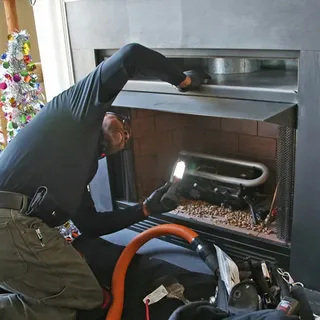
Our crew meets many people who try to test their own flues by looking up from the hearth with a flashlight. While we love a good handson project, a simple look from the bottom cannot reveal hidden blockages near the top. Creosote is a dark sticky tar that forms inside your pipe when you burn green logs. If this tar layer gets thick, it can catch fire and burn at temperatures over two thousand degrees. Professional tools find this hidden fuel source so we can scrape it away safely before it starts a fire.
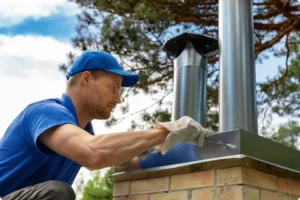
Water can also cause expensive wood rot inside your walls if your chimney flashing starts to pull away from your shingles. The flashing is the metal strip that seals the raw gap where the brick column goes through your sloping roof. If this metal shield rusts through, rain flows down the outside of your bricks right into your insulation. Our technicians check these metal joints carefully to make sure your home stays dry during spring storms.
Testing the Upper Brickwork and Cap
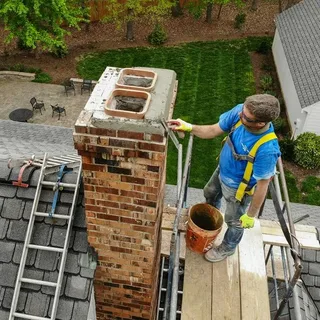
You must also check the condition of your top concrete cap, which sits like a flat roof over your highest bricks. Think of this concrete cap as a small umbrella that throws heavy rain away from your exterior walls. If this pad develops deep splits, rainwater flows straight down into the center of your brick tower. This constant dampness ruins your indoor plaster and causes toxic mold to spread behind your wallpaper.
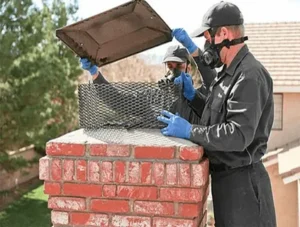
We always recommend brushing a flexible waterproof coating over the clean surface of your top concrete wash. This special seal fills in tiny hairline splits and keeps water out for several seasons. We can also attach a heavy steel mesh cap over your open flue openings to block out rain. These steel mesh cages stop local squirrels, raccoons, and birds from building messy nests that block your smoke.
Taking care of your brick fireplace does not have to be a stressful chore. When you hire a dependable local service business, they track your regular maintenance dates for you. This means you can spend your weekends relaxing with your family instead of worrying about structural safety.
Conclusion
Keeping your fireplace running safely requires regular attention to the brickwork on your roof. By arranging a professional safety check before the freezing weather arrives, you save your household from sudden emergencies and expensive structural rebuilds. A well-sealed venting system also keeps cold drafts out of your rooms, which lowers your winter heating bills significantly. Every smart homeowner understands that fixing small mortar cracks early is always better than dealing with a collapsed wall later. Taking care of your brick walls today ensures that your fireplace remains a warm, comforting feature of your home for many generations to come.
Frequently Asked Questions
What happens during a professional chimney safety test?
A technician will look closely at all the physical parts of your fireplace system to make sure it is safe to use. This testing includes checking the outside bricks for soft mortar, examining the firebox for loose bricks, and checking for dark creosote buildup inside the flue pipe. They will tell you if your home needs a basic cleaning or if there are cracked tiles that need fixing before you light a fire.
How can a technician find cracks that are hidden inside the wall?
Our team uses small specialized video cameras that we push through the full length of your vertical flue pipe. This camera equipment sends a clear picture to our video screens so we can spot tiny splits in the clay lining that you cannot see from the floor. Finding these gaps early stops toxic gas from escaping into your bedrooms.
Why does water cause my exterior chimney bricks to flake and break?
Your bricks break because clay is a porous material that drinks up rainwater like a giant sponge. When winter temperatures drop below freezing, that trapped water turns into ice and expands inside the brick body with immense pressure. This constant pushing breaks the front face off the brick, which is a problem called spalling.
What are the main warning signs that my chimney has a water leak?
You should watch out for white powdery stains on your outside bricks, damp smells inside your firebox, or actual water dripping onto your hearth logs. If you notice brown stains on the drywall near your upstairs closets, that usually means your roof flashing has failed and is letting rain slide into your home.
Is carbon monoxide gas a risk if my fireplace has a damaged liner?
Yes, a broken or missing flue liner is highly dangerous because it allows toxic combustion gases to enter your living spaces. Carbon monoxide has no smell and is completely invisible to human eyes, so getting an annual camera inspection is the only reliable way to ensure your venting pipe is sealed perfectly.