Protect your family with a certified chimney safety inspection. Learn how professional sweeping prevents fires and keeps your home safe all winter long.
Are you getting your fireplace ready for the cold winter months? Many of us love the cozy feeling of a warm fire when the temperature drops. But when was the last time someone looked inside your flue? A clean fireplace brings peace of mind, while a dirty one can pose a real danger to your family. We want to help you understand how to keep your home safe and warm every single year. Working with a professional team like CSR Chimney Service makes it easy to maintain your fireplace without any stress.
Many people do not think about their fireplaces until they notice a problem. By then, you might be dealing with expensive repairs or dangerous smoke backups. Did you know that hidden issues like cracked bricks or heavy soot can start fires inside your walls? Regular checkups prevent these scary situations from happening. We always tell our neighbors that taking care of your flue today saves you from big headaches tomorrow.
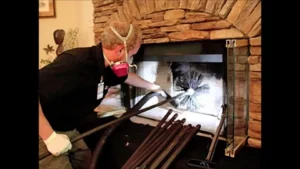
Our team believes in teaching families about the working parts of their homes. A standard wood-burning system has a firebox, a damper, a smoke shelf, and a long vertical flue that vents out your roof. Over time, burning wood creates a dark, sticky substance called creosote. Creosote attaches to the inner walls of your pipe and can ignite if it gets too hot. A professional sweep will scrub away this dangerous buildup so your fires burn cleanly.
Professional Local Inspections
We know that choosing the right local contractor can feel confusing when you search for help online. You want a team that shows up on time, explains things clearly, and keeps your living room perfectly clean. If you want a top-rated crew to look at your setup, finding the Best Chimney safety inspection in Edgewater, MD will connect you with technicians who know exactly how to handle local coastal weather conditions. Local experts understand how saltwater air and heavy rains affect the masonry outside your home.
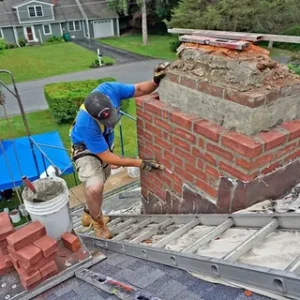
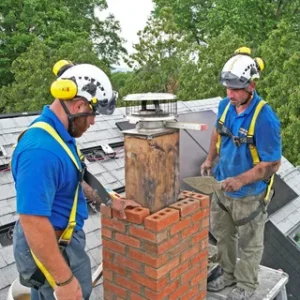
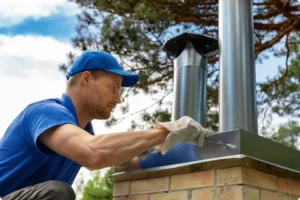
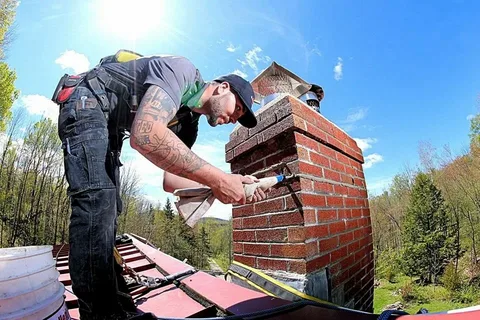
When a technician arrives at your house, they look at both the inside and outside of your system. They check the mortar joints between the bricks to ensure water cannot seep into your attic. They also inspect the flashing, which is the metal bands that seal the gap between your roof and your brickwork. Inside your home, they will look at the hearth and make sure your damper opens and closes completely.
Let us look at what a standard safety checkup covers so you know exactly what to expect. There are different levels of service depending on whether you have noticed changes in how your fireplace drafts. Most homes only need a basic visual check once a year to confirm the structure is safe for winter fires.
| Inspection Area | What the Tech Checks | Why It Matters for Safety |
| Exterior Brickwork | Cracks, missing mortar, loose bricks | Prevents water leaks and structural collapse |
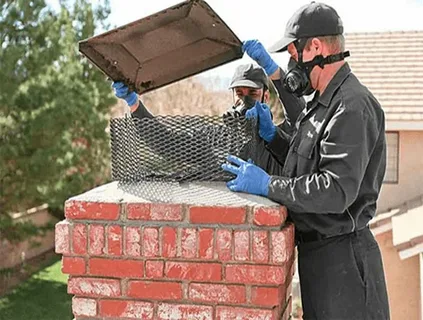
| Chimney Cap & Crown | Cracks in concrete, broken mesh screens | Keeps rain, birds, and pests out of your flue |
| Flue Liner | Soot buildup, cracked clay tiles, gaps | Keeps intense heat and sparks away from wood framing |
| Damper Operation | Smooth opening, tight sealing when closed | Prevents cold drafts and stops smoke from entering room |
| Firebox Interior | Loose firebricks, damaged mortar joints | Contains the flames safely inside the burning area |
Safety Statistics and Maintenance
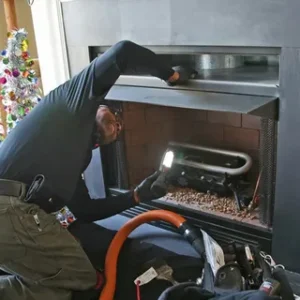
When you search for an Expert chimney inspection near me in Edgewater, MD, you gain access to advanced diagnostic tools like specialized video cameras. Technicians push these small cameras up the entire length of your flue to see things that are invisible from the living room floor. This camera work can spot tiny cracks in your clay liner that could leak toxic carbon monoxide gas into your bedrooms.
According to data from the National Fire Protection Association, heating equipment is one of the leading causes of home fires in the United States. In fact, solid piping and fireplace issues account for a massive share of these avoidable accidents. The main culprit in almost every single one of these fires is a simple failure to clean out creosote. This statistic shows why safety groups recommend getting your system checked by a professional at least once every twelve months.
We often meet people who try to clean their own flues with store-bought brushes. While we love a good weekend project, this job is best left to professionals who have the right safety gear and heavy-duty vacuums. Creosote dust is very dirty and can cause breathing problems if you inhale it without a proper mask. A certified crew will use special drop cloths and high-powered dust collectors to ensure not a single speck of ash lands on your carpets.
Water is another major enemy of your brickwork. When water gets into tiny cracks in your masonry during the fall, it freezes and expands during the cold winter weeks. This freezing process breaks the bricks apart from the inside out, which leads to tilting or collapsing structures. Applying a breathable water repellent coating to the exterior bricks can extend the lifespan of your fireplace by many years.
Preparing for Winter
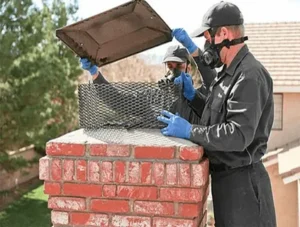
You should also check your concrete crown, which is the flat slab on top of your bricks that sheds water away from the structure. If the crown cracks, rain runs straight down into your walls. Installing a sturdy stainless steel cap over your flue opening is the easiest way to stop rain, snow, leaves, and nesting animals from blocking your airflow.
We always recommend making a quick checklist before the cold season begins. Look at your bricks from your backyard to see if any look loose or crooked. Test your smoke alarms and carbon monoxide detectors on every floor of your house to make sure the batteries are fresh. If you smell campfire odors in your house when you are not using the fireplace, that is a clear sign that your system needs a professional cleaning right away.
Taking care of your fireplace does not have to be difficult or expensive. When you build a relationship with a trusted local service company, they keep track of your maintenance schedule for you. This means you can spend your time enjoying your warm home with your family instead of worrying about structural safety.
Conclusion
Keeping your home safe requires regular attention to the hidden systems behind your walls. By scheduling a professional safety check before you light your first fire of the year, you protect your family from hidden fire hazards and dangerous gases. A well-maintained fireplace also heats your home more efficiently, which can save you money on your winter fuel bills. Every smart homeowner understands that preventing a problem is always better than fixing a disaster after it happens. Taking care of your brickwork ensures that your fireplace remains a safe, comforting feature of your home for decades to come.
Frequently Asked Questions
What happens during a standard fireplace safety check?
A technician will look at all the visible parts of your system to ensure it is safe to use. This includes checking the exterior brickwork for cracks, testing the damper, examining the firebox, and checking for creosote buildup inside the flue. They will tell you if your system needs a simple sweep or if there are structural parts that need repair before you light a fire.
How often do I need to get my fireplace cleaned?
National safety organizations recommend that you get your system inspected at least once a year. If you burn wood frequently throughout the winter, you may need more regular cleanings to remove creosote buildup. Gas fireplaces also need annual checks to ensure the vents are clear and the gas lines are working perfectly safely.
What are the signs that my flue has a problem?
You should look out for white staining on the outside bricks, water dripping into your firebox, or a strong smoky smell when the fireplace is not in use. If you see pieces of black soot falling onto your hearth, or if your room fills with smoke when you open the damper, you need to call a professional technician immediately.
Can a damaged flue liner cause carbon monoxide poisoning?
Yes, a cracked or broken liner can allow dangerous combustion gases like carbon monoxide to seep through your walls and enter your living spaces. Because carbon monoxide is completely invisible and has no smell, a professional inspection with a video camera is the best way to ensure your liner is completely sealed and safe.
Why is water causing my chimney bricks to break apart?
Bricks and mortar are porous materials that absorb water like a sponge. When water gets inside the bricks and freezes during cold weather, it expands and causes the face of the brick to pop off. This damage is called spalling, and it can weaken your entire structure if you do not fix the leaks quickly.