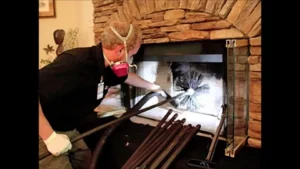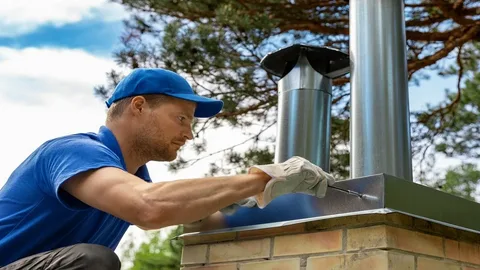
Property owners frequently overlook the hidden ventilation systems that exhaust dangerous gases from their wood stoves and gas fireplaces. Scheduling structural ventilation assessments prevents hazardous creosote accumulation and hidden masonry decay from threatening your household. Seeking certified chimney inspection services in Catonsville, MD guarantees that your heating appliances vent smoke safely through the roofline. Local properties feature distinct architectural histories that require specific technical familiarity during annual safety evaluations.
CSR Chimney Service offers thorough local venting assessments that keep residential properties free from toxic carbon monoxide intrusions. Homeowners rely on detailed internal examinations because changing weather patterns cause masonry joints to weaken over time. Arranging professional chimney damage inspection services in Catonsville, MD uncovers hidden flue tile cracks before winter freezing expands the structural gaps. These comprehensive evaluations keep your heating system functioning efficiently, protect property values, and satisfy municipal fire safety guidelines.
Home buyers often request comprehensive venting reports before finalizing property transactions in the Baltimore County area. Older brick structures frequently suffer from historical mortar degradation that invisible flue scanning cameras can easily identify. Securing certified chimney inspection services in Catonsville, MD protects your family from venting failures during heavy winter usage. Local technicians examine structural framing clearances and flashing seals to stop rain from entering your living space.
Scheduling chimney damage inspection services in Catonsville, MD
Freezing winter temperatures combined with humid Maryland summers accelerate the physical weathering of outdoor brick structures. Rainwater frequently enters small exterior hairline cracks, expanding significantly as temperatures drop below freezing during January. Booking regular chimney damage inspection services in Catonsville, MD stops this cyclic moisture expansion from destroying your brickwork. Local contractors focus heavily on crown density and flashing flexibility during seasonal exterior maintenance checks.
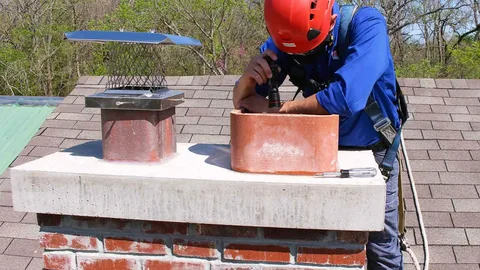
Clay liners frequently spall when subjected to sudden temperature spikes alongside high atmospheric humidity. Because older coastal plain climates impact masonry differently, regular video scanning remains a helpful diagnostic precaution. Ordering regular chimney damage inspection services in Catonsville, MD helps you catch crumbling debris before it blocks your exhaust path entirely. Let us analyze how different chimney components perform across years of regional weather shifts.
| Chimney Component | Structural Vulnerability | Weather Impact | Primary Protective Function | Maintenance Requirement |
| Mortar Joints | High | Moisture Absorption | Holds Brick Structure | Repointing as Needed |
| Concrete Crown | Medium | Freeze-Thaw Cracking | Diverts Surface Water | Sealing Every Few Years |
| Stainless Steel Liner | Low | Chemical Corrosion | Contains Exhaust Gases | Annual Debris Sweeping |
| Brick Facing | Medium | Spalling and Flaking | External Structural Wall | Waterproofing Sprays |
How certified chimney inspection services in Catonsville, MD evaluate flues
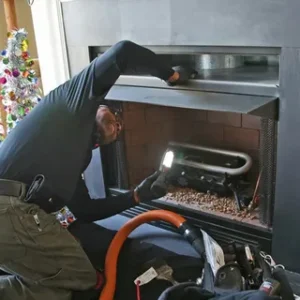
Technicians begin the physical evaluation by examining the hearth area for signs of structural settlement. Workers set up high-resolution cameras to document the condition of internal flue tiles from bottom to top. Obtaining Certified chimney inspection services in Catonsville, MD provides clear evidence regarding the internal condition of your venting pathways. Specialists verify that your fireplace throat damper opens and closes completely without binding.
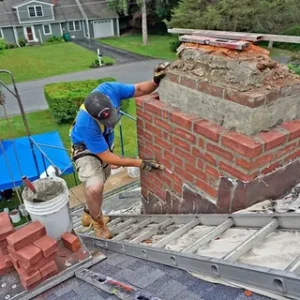
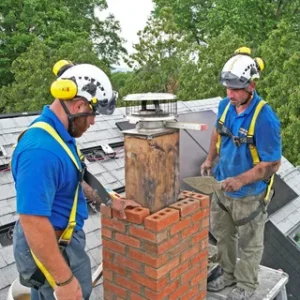
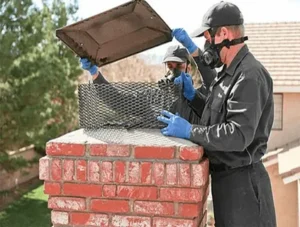
Roof evaluations require specialized safety ladders to examine the chimney cap and exterior brick counter-flashing. Professionals check the masonry crown for separation gaps where the flue liner exits the concrete pad. After completing the physical examination, the team documents every structural defect using comprehensive digital photography. This detailed reporting keeps you informed about necessary safety repairs before the burning season starts.
Internal flue video scanning procedures
Venting specialists lower a specialized, dual-direction camera down the center of the exhaust flue channel. This diagnostic technology transmits live high-definition footage to a monitoring screen positioned inside your living room. Technicians look for missing mortar joints between clay liners that could allow heat to reach wooden house framing.
Exterior masonry and clearance checking
Inspectors measure the physical height of the chimney stack relative to your surrounding roof slopes. Regulations require the masonry to extend three feet above the roof penetration point for proper draft creation. Workers also evaluate nearby tree branches that might restrict airflow or present a fire hazard during high winds.
Structural risks found during chimney damage inspection services in Catonsville, MD
Older homes around the Patapsco River valley frequently feature unlined brick chimneys built before modern building codes. These historic structures suffer from continuous acidic condensation caused by modern oil or gas furnace conversions. Booking certified chimney inspection services in Catonsville, MD identifies hidden flue deterioration before hazardous exhaust leaks into upstairs bedrooms. Upgrading ancient venting paths protects structural longevity while maintaining the original historic charm of your home.
According to the National Fire Protection Association (2024), failure to clean creosote remains the leading cause of residential chimney fires. This sticky substance ignites easily when flue temperatures rise during large weekend fires. Requesting Professional chimney damage inspection services in Catonsville, MD helps homeowners identify dangerous creosote glaze before it creates an emergency. Addressing these blockages early maintains excellent airflow and prevents toxic smoke from backing up into your kitchen.
Flue liner deterioration and cracking
Extreme thermal shock occurs when cold air drops down an open flue while hot gases rise rapidly. This sudden temperature differential cracks fragile clay tiles over decades of regular fireplace operation. Broken liner pieces can slide out of alignment, creating serious interior blockages that trap dangerous flue gases.
Chimney crown separation and water leaks
The concrete pad sitting atop your chimney stack sheds rainwater away from the exterior brick face. When this protective barrier cracks, water runs down inside the wall cavity, rotting nearby ceiling drywall. Professional evaluation catches these tiny crown fissures before water reaches your interior living space framing.
Finding local experts for certified chimney inspection services in Catonsville, MD
Homeowners should verify that their chosen specialist holds active credentials from accredited national safety organizations. A general home inspector lacks the specialized cameras and specific code knowledge needed to evaluate internal flue defects. Local companies like CSR Chimney Service focus entirely on venting safety and structural chimney restorations for regional properties. Experts understand the specific regional building history and coastal weather patterns that damage local masonry installations.
Reading online reviews from neighbors helps verify the promptness and cleanliness of a local venting contractor. Trustworthy technicians always wear protective footwear covers and use high-powered vacuum systems to keep your carpets clean. A contractor who works exclusively on exhaust systems—like CSR Chimney Service—will possess the necessary scaffolding and insurance for high-roof assignments.
Conclusion
Maintaining a safe fireplace requires annual professional evaluations to discover hidden masonry cracking and toxic creosote deposits. Investing in certified chimney inspection services in Catonsville, MD ensures that your home ventilation system functions properly throughout the coldest months. Arranging thorough chimney damage inspection services in Catonsville, MD protects your household from hidden fire hazards and structure decay.
Taking quick action to repair discovered masonry defects saves money on future structural restoration work and prevents moisture damage. Property owners can secure their homes by working with qualified technicians who utilize modern flue video scanning equipment. If you wish to improve your home safety, contact CSR Chimney Service for an assessment today.
FAQ’s
How often do home ventilation systems require safety checks in Catonsville?
Homeowners should arrange professional safety evaluations at least once per year according to regional fire safety guidelines. Regular checks ensure that seasonal bird nests, falling leaves, or winter freeze damage do not block the escape of toxic gases.
What specific signs indicate that my brick chimney has internal structural damage?
You might notice small pieces of cracked clay tiles falling into the fireplace hearth area during summer months. White powdery staining on exterior bricks or dark soot marks on upstairs walls also indicate significant internal liner breakdown.
Are building permits necessary for chimney lining restorations in Baltimore County?
Yes, local building offices require safety permits whenever contractors install new stainless steel liners or rebuild structural exterior masonry. Compliance checks verify that the updated heating ventilation system meets modern fire clearance and draft height regulations.
Can heavy rain storms cause masonry degradation over time?
Continuous rainfall weakens old lime mortar joints, causing the binder to wash away from between exterior bricks. Without timely repointing, the unprotected brick stack can lean or collapse during high winds or heavy winter ice accumulation.
What happens during a level two safety inspection?
Technicians perform a complete visual check and use internal video cameras to scan every inch of the flue liner. This process is required during property transfers, heating system conversions, or after a structural house fire occurs.