Discover how professional chimney masonry repair protects your home. Learn about water leaks, brick damage, and tuckpointing solutions.
Cold winter nights make us long for a roaring fire in our living rooms. Our fireplaces bring our families together and keep our homes cozy. But when did you last inspect the brickwork outside your house? A broken venting system can turn a relaxing evening into a dangerous situation quickly. We want to help you spot the early signs of damage before they cost you thousands of dollars. Working with our local professionals at CSR Chimney Service guarantees that your fireplace stays safe and efficient throughout the entire year.
Many people never look up at their rooflines until water starts dripping onto their ceilings. By that time, minor cracks have already grown into massive structural problems. Did you know that your brickwork acts as a shield against weather elements? When the mortar between your bricks wears thin, rain runs straight into your walls. Regular upkeep stops these leaks from destroying your drywall and framing.
We believe that educating our neighbors helps everyone make smarter choices about their properties. A classic masonry chimney contains several key parts that work together to guide smoke safely outdoors. You have the external brick walls, the inner clay tile lining, and the concrete cap sitting on top. If even one of these parts cracks, the whole system stops working right. Our team can fix these separate pieces to protect your household from fire hazards and hidden smoke leaks.
Spotting Brick Damage Early
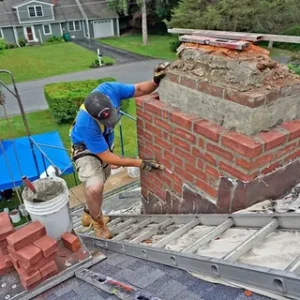
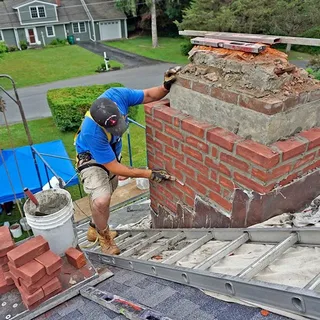
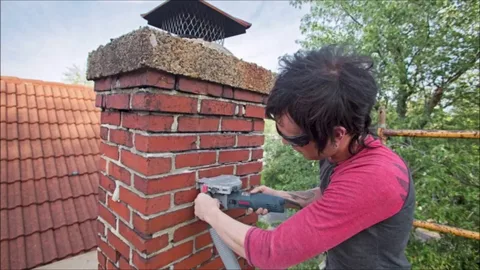
How can you tell if your brickwork is starting to fail? One common sign is when small pieces of red brick start falling onto your lawn or driveway. This problem happens when moisture gets inside the porous clay and freezes during cold Maryland winters. The freezing water expands and pops the front face off the brick completely. This specific type of structural decay is called spalling, and it leaves your venting system vulnerable to total failure if you leave it alone.
Another warning sign is tuckpointing wear, which means the sandy mortar joints are crumbling away into dust. You might also see white powdery stains coating the outside of your red bricks. This powdery stuff is salt that water leaves behind when it evaporates from the wet walls. If you notice these warning signs around your roofline, you should seek professional help immediately. Getting a timely repair stops small air gaps from letting hot sparks reach the wooden framing inside your attic.
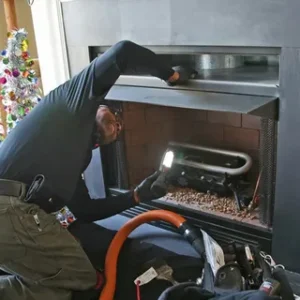
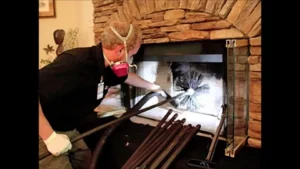
We use advanced equipment to evaluate your brick structure from top to bottom. Our technicians can run special cameras down the center of your flue to check for hidden gaps. Finding an Best Chimney crown repair in Severna Park, MD will connect you with experienced workers who can seal your top concrete slab correctly. Fixing the top cap prevents rain from pooling inside your fireplace all summer long.
Common Repairs and Safety Statistics
Let us look at the main fixes that local properties need to stay safe. Every part of your venting system requires different materials and tools to fix correctly. The chart below breaks down the common projects we complete to protect local properties.
| Repair Type | What We Do | How It Helps Your Home |
| Tuckpointing | We scrape out old mortar and pack in fresh compound | Stops water leaks and reinforces the walls |
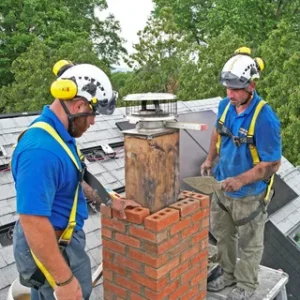
| Brick Replacement | We cut out rotten bricks and install new matching pieces | Rebuilds the physical strength of the structure |
| Crown Resealing | We apply a rubberized coating over the concrete top | Blocks rain from dripping down into the house walls |
| Flue Relining | We insert a new stainless steel pipe down the center | Keeps carbon monoxide from leaking into rooms |
| Flash Repair | We replace the metal bands where the roof meets bricks | Seals the base gap to prevent attic water stains |
Expert chimney masonry repair in Severna Park, MD keeps your property value high and shields your household from fire risks. According to recent fire safety research from the National Fire Protection Association, residential heating equipment remains a leading cause of local structural fires. Their official records show that local fire departments respond to an average of over 48,000 home heating fires every single year. A massive percentage of these dangerous incidents happen because homeowners do not clean or repair their solid-fuel venting systems regularly. This alarming statistic proves why annual safety checks are so important for every family.
Our crew often meets people who try to fix their own brickwork using standard cement from the hardware store. While we respect a good hard worker, using the wrong materials will actually cause your bricks to crack faster. Chimneys require special lime-based mortar that can expand and contract when the fireplace gets hot. Standard modern cement is too stiff and will crush older bricks when the temperature changes. A professional mason knows how to mix the perfect compound that matches your existing structure perfectly.
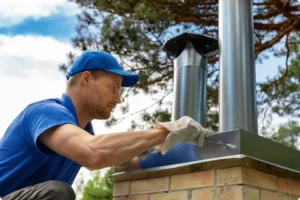
Water can also ruin the inside of your home if your flashing strips start to peel away from the roof. The flashing is the metal border that bridges the gap between your shingles and the vertical brick walls. If this metal bends or rusts, rain runs straight down the outside of the pipe into your attic. Our technicians can replace old flashing with durable copper or aluminum sheets that keep out every single drop of rain.
Protecting Your Chimney Cap
You must also pay close attention to your concrete crown, which is the flat pad sitting on top of your highest bricks. Think of the crown as an umbrella that throws rainwater away from the sides of your structure. If this concrete pad develops cracks, water seeps straight down into the middle of your brick walls. This constant dampness rots out your ceilings and causes mold to grow behind your living room drywall.
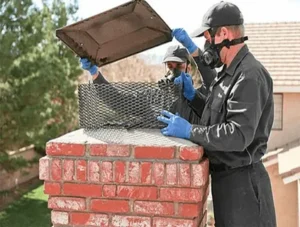
We always recommend applying a flexible waterproof sealant over the entire surface of your concrete crown. This rubber coating seals up tiny hairline fractures and keeps water out for many years. We also install heavy steel mesh caps over the open flue pipes. These metal mesh guards keep out rain and stop local squirrels and birds from building messy nests that block your smoke.
Taking care of your masonry does not have to be stressful or overwhelming. When you partner with a dependable local service company, they keep track of your inspection history for you. This means you can focus on enjoying your beautiful home instead of worrying about structural safety.
Conclusion
Keeping your fireplace running safely requires regular attention to the brickwork on your roof. By arranging a professional safety check before the freezing weather arrives, you save your household from sudden emergencies and expensive structural rebuilds. A well-sealed venting system also keeps cold drafts out of your rooms, which lowers your winter heating bills significantly. Every smart homeowner understands that fixing small mortar cracks early is always better than dealing with a collapsed wall later. Taking care of your brick walls today ensures that your fireplace remains a warm, comforting feature of your home for many generations to come.
Frequently Asked Questions
What is tuckpointing and how does it protect my brickwork?
Tuckpointing is the process of scraping out old, crumbling mortar from between your bricks and packing in fresh, specialized mortar compound. This service seals up open gaps that let rainwater soak into your walls, which prevents structural shifting and stops water from leaking into your attic spaces during heavy storms.
Why are the red bricks on my chimney starting to flake and crumble?
Your bricks are flaking because moisture got trapped inside the clay and froze during the cold winter months. When water freezes, it expands with enough force to break the brick apart from the inside out, causing the front face to fall off. This damage requires prompt replacement of the broken pieces.
How does a damaged concrete crown cause leaks inside my house?
The concrete crown acts like an umbrella on top of your brick walls to shed water away from the structure. When the crown cracks, rain runs directly into the center of the masonry body instead of sliding off, which leads to rotting wood, damaged drywall, and mold growth inside your home.
Can I use regular hardware store cement to fix my chimney joints?
No, standard modern cement is too hard and rigid for older chimney structures that experience extreme heat changes. Fireplaces require a flexible, lime-based mortar that can expand and contract safely when fires are burning, so using the wrong mix will actually cause your bricks to break much faster.
How often should we schedule a professional masonry checkup?
National safety groups recommend getting your entire venting structure inspected by a certified professional at least once a year. Regular checks allow technicians to spot tiny hairline fractures, loose flashing, or missing mortar joints before they turn into major water leaks or structural hazards during the winter.