Need the best chimney leak repair services in Catonsville, MD? Learn about repair types, costs, processes, and how to choose the right local contractor.
Chimney problems rarely stay small. A tiny crack in the mortar can let water in, and that water quietly damages your firebox, your flue liner, and eventually your home’s structure. For homeowners in Catonsville, MD, catching these issues early saves both money and stress. CSR Chimney Service has been helping local families protect their chimneys before small problems turn into expensive repairs. When you need the Best Chimney leak repair Services in Catonsville, MD, acting fast is the smartest move you can make.
Catonsville’s climate plays a real role here. Cold winters, wet springs, and humid summers put constant pressure on chimney masonry. Freeze-thaw cycles crack bricks and mortar faster than in milder regions. Knowing your options — and choosing a contractor who understands local conditions — makes all the difference.
Why chimney leaks are a serious problem for Catonsville homeowners
Moisture is the chimney’s worst enemy. Moisture infiltration damages the mortar joints, rusts damper assemblies, and stains the interior walls. Water damage is, according to the Chimney Safety Institute of America (CSIA), the most-common – and most-costly – issue that chimney technicians see in the Mid-Atlantic.
A lot of homeowners don’t see a leak until they notice a water stain on the ceiling near the fire place. At this point, the damage has often been mounting for months. A licensed contractor who works in Baltimore County stated it plainly enough: “Most of the chimney leaks I repair were not sudden failures. They were slow problems that went undetected because the early signs were inside the flue where nobody looks.”
Catonsville sits in a zone where annual rainfall averages around 42 inches. That moisture load on an aging chimney adds up fast. Reliable Chimney repair services in Catonsville, MD focus on sealing every entry point — from the crown to the flashing — before a single drop of water causes further harm.
Types of chimney repair services and what each one addresses
Not every chimney repair is the same. The right solution depends on where the damage is and how far it has spread. Here is a breakdown of the most common repair types local homeowners deal with:
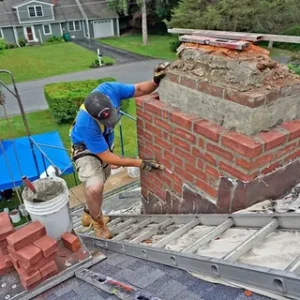
Tuckpointing replaces worn or cracked mortar between bricks. It restores the structural bond and stops water from seeping into the joints.
Crown repair or replacement fixes the concrete cap at the top of the chimney. A cracked crown is one of the most direct paths for rainwater to enter the flue.
Flashing repair addresses the metal seal between the chimney and the roofline. When flashing lifts or corrodes, water runs straight down into the attic and ceiling.
Flue liner repair or relining protects the inside of the chimney from heat, combustion gases, and moisture. Cracked clay liners or damaged stainless steel systems put both safety and efficiency at risk.
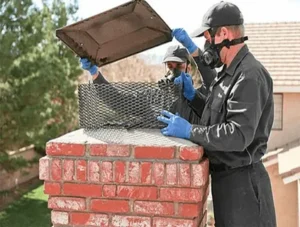
Chimney cap installation adds a protective cover over the flue opening. It blocks rain, animals, and debris while still allowing smoke to exit freely.
Chimney repair options comparison
| Repair Type | Common Cause | Urgency Level | Best For | Avg. Duration |
| Tuckpointing | Mortar erosion | Moderate | Aging brick chimneys | 1–2 days |
| Crown repair | Freeze-thaw cracking | High | Chimneys over 10 years old | Half day–1 day |
| Flashing repair | Rust or lifting metal | High | Leak near roofline | 2–4 hours |
| Flue liner relining | Heat damage or age | Very high | Safety-critical repairs | 1–2 days |
| Chimney cap install | Missing or damaged cap | Moderate | All chimney types | 1–3 hours |
The repair process: what a contractor actually does
Knowing what to expect makes the whole process less stressful. A solid chimney repair follows a clear sequence, and reputable contractors won’t skip steps.
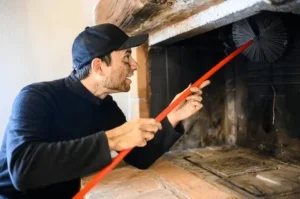
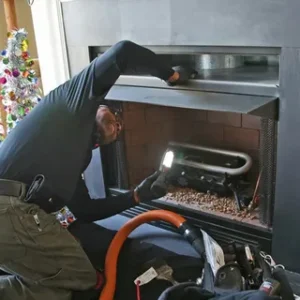
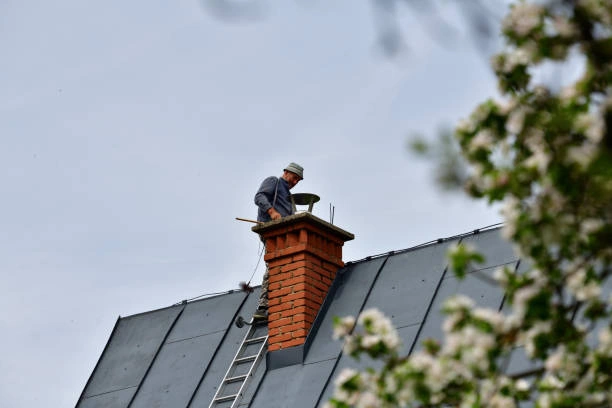
Step one: inspection. The technician examines the exterior masonry, the crown, the flashing, and the cap. A Level 2 inspection — which the National Fire Protection Association (NFPA 211) recommends after any property sale or significant weather event — includes a camera scan of the flue interior.
Step two: damage assessment and written report. You should receive a clear summary of what was found, what needs repair, and in what order of priority. Any contractor who skips this step and jumps straight to pricing is worth questioning.
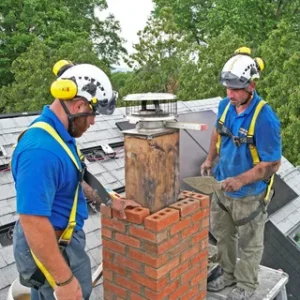
Step three: repair execution. Depending on the repair type, the technician will repoint mortar, apply crown coat sealant, reseal or replace flashing, or install a new liner system. Good contractors use materials rated for high-temperature exposure and Maryland’s weather patterns.
Step four: waterproofing. After structural repairs, many technicians apply a vapor-permeable masonry sealer. This allows moisture trapped inside bricks to escape while blocking new water from entering. It is a step that many general contractors skip — but chimney specialists know it extends repair life significantly.
Step five: final inspection and documentation. The job isn’t done until the technician has confirmed the repair is solid and provided you with a written record. This documentation matters if you sell your home or file a homeowner’s insurance claim.
Cost factors for chimney repair in Catonsville, MD
Several variables affect what you’ll pay for chimney work in the Catonsville area. Understanding them helps you compare quotes accurately.
What drives the price up
The extent of the damage is the biggest factor. A simple tuckpointing job on a few joints costs far less than a full flue relining. Chimney height also matters — taller chimneys require more equipment and labor time. Accessibility plays a role too. A chimney on a steep roof costs more to reach safely than one on a flat section.
Material choice affects cost as well. Stainless steel liner systems last longer and carry better warranties than aluminum options, but they cost more upfront. For Catonsville’s climate, the investment in durable materials usually pays off over time.
What keeps costs reasonable
Getting multiple quotes from licensed contractors helps you understand the fair market range. Some companies like CSR Chimney Service that specialize in Reliable Chimney repair services in Catonsville, MD offer bundled pricing when multiple repairs are done in one visit — which cuts down on mobilization costs and labor overlap.
Scheduling repairs in late summer or early fall — before the heating season starts — often means shorter wait times and better availability from quality contractors.
How to choose the right chimney repair contractor in Catonsville
Choosing a chimney contractor goes beyond selecting the lowest price. The bad choice of hire will get you draining repairs that will fail during first rain.
Check Out Their CSIA Certification The Chimney Safety Institute of America certifies technicians that meet the professional standards for inspections and repairs. A contractor with CSIA certification is knowledgeable of the latest safety standards and practices, as well as current codes. They also have the liability insurance that protects your property.
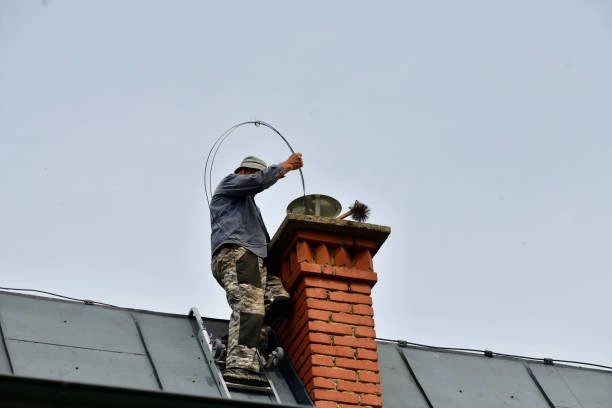
Inquire specifically regarding their knowledge of Maryland houses. Baltimore County requires a permit for structural chimney work, and contractors who regularly work in Catonsville know what the county inspection process involves. A local company, such as CSR Chimney Service, which specializes in chimney work in the Catonsville area, will know the local permit process, which materials hold up well in Maryland’s freeze-thaw cycles, and which carry the trade-specific insurance from which general contractors typically walk away.
Ask for references from recent jobs in your area. A contractor with experience working on residences within your community will be able to speak to the specific types of brick and mortar mixes most often found in homes built in your area, detail that matters if you want a repair that holds.
FAQ’s
What is the expected cost for chimney leak repair in Catonsville, MD?
Repair prices vary according to the type and severity of the damage in Catonsville. As a general rule, minor flashing repairs or crown sealing are cheaper, with full flue relining or major masonry works costing more. Before you agree to any work, ask them for a written inspection report, so you see what you’re paying for.
Would I require a permit to repair my chimney in Baltimore County?
Chimney services requiring a permit from Baltimore County’s Department of Permits, Approvals and Inspections include full rebuilds and liner replacements. Work that is cosmetic, like tuckpointing, usually does not. Your contractor should check permit requirements before starting any job.
What’s the lifespan of chimney repairs in Maryland?
When quality chimney repairs in Catonsville are done with the right materials, they typically last 10 to 20 years. Flue liner systems that are properly installed have 20-year warranties. Maryland’s freeze-thaw cycles require proper material selection and sealing for long-term durability.
What are the indicators that my chimney requires urgent repair in Catonsville, MD?
Does your chimney need repair? If you notice water stains around the fireplace, white spots on the bricks outside, a broken crown, and rust on the damper, it may be time. If you see any of these things in your Catonsville home, your best bet is to schedule an inspection before winter.
How can I confirm that the leak in my roof is caused by my chimney flashing in Catonsville, MD?
If you notice leaks coming from the ceiling or upper wall level during rain but not dry weather, it is likely a flashing failure. This can be confirmed by a technician during a Level 2 inspection. Older homes of Catonsville often have flashing problems as the original metal has corroded or pulled away from the masonry.
Conclusion
Chimney repair is one of those home maintenance tasks that rewards early action. Small cracks, worn flashing, and aging mortar may not seem urgent — but in Catonsville’s wet and cold climate, they rarely stay minor for long. The Best Chimney leak repair Services in Catonsville, MD combine thorough inspection, quality materials, and contractors who know local conditions well.
If you want a local team that understands Catonsville’s weather, permit process, and masonry conditions, reach out to CSR Chimney Service for an assessment. They can walk you through your repair options clearly, without pressure, and help you make the right decision for your home and your budget.
Repair prices vary according to the type and severity of the damage in Catonsville. As a general rule, minor flashing repairs or crown sealing are cheaper, with full flue relining or major masonry works costing more. Before you agree to any work, ask them for a written inspection report, so you see what you’re paying for.
Chimney services requiring a permit from Baltimore County’s Department of Permits, Approvals and Inspections include full rebuilds and liner replacements. Work that is cosmetic, like tuckpointing, usually does not. Your contractor should check permit requirements before starting any job.
When quality chimney repairs in Catonsville are done with the right materials, they typically last 10 to 20 years. Flue liner systems that are properly installed have 20-year warranties. Maryland’s freeze-thaw cycles require proper material selection and sealing for long-term durability.
Does your chimney need repair? If you notice water stains around the fireplace, white spots on the bricks outside, a broken crown, and rust on the damper, it may be time. If you see any of these things in your Catonsville home, your best bet is to schedule an inspection before winter.
If you notice leaks coming from the ceiling or upper wall level during rain but not dry weather, it is likely a flashing failure. This can be confirmed by a technician during a Level 2 inspection. Older homes of Catonsville often have flashing problems as the original metal has corroded or pulled away from the masonry.