Fireplaces bring warmth to Maryland homes during cold winter nights, yet a backpuffing flue quickly fills a living room with dangerous fumes. This frustrating situation requires immediate professional attention to protect your indoor air quality and household safety. Homeowners across Prince George’s County frequently encounter drafting issues caused by hidden obstructions or structural failures within their venting systems. When your fireplace begins spilling exhaust indoors instead of pulling it upward, securing professional chimney smoke problem repair services in Bowie, MD becomes your top priority. You can turn to local experts like CSR Chimney Service to identify the exact source of the draft failure and restore proper airflow to your home.
Drafting errors represent an immediate health hazard because escaping exhaust carries invisible carbon monoxide into your household breathing zones. Many families mistake a smoky fireplace for a minor inconvenience, but it usually indicates a systemic pressure imbalance or a physical restriction. Professional interventions isolate whether the backpuffing stems from external wind currents, mechanical air restrictions, or structural damage inside the brickwork. Resolving these performance problems early prevents creosote fires, protects indoor air quality, and maintains the long-term structural value of your masonry assets. Seeking specialized chimney smoke problem repair services in Bowie, MD ensures that your heating system meets modern environmental standards while operating cleanly throughout the cold seasons.
Understanding Venting Issues in Prince George’s County
Drafting failures happen when the natural upward pressure in a flue system stalls. Cold air plugs can form during rapid temperature drops, forcing heavy air down into your living space. Local building designs, close proximity to tall trees, and regional wind patterns across Maryland affect how air flows over your rooftop. According to data from the National Fire Protection Association (2021), failing to properly clean and maintain venting systems remains a primary cause of residential heating fires. Property owners must realize that choosing certified chimney smoke problem repair services in Bowie, MD is the most reliable way to identify these complex environmental and structural airflow blockages.
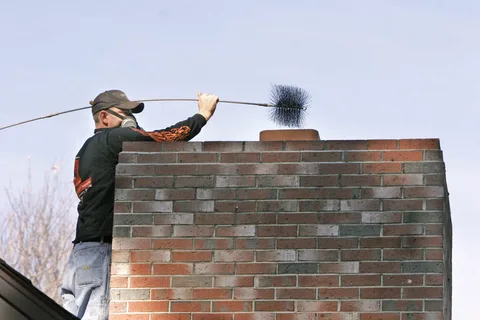
Creosote buildup restricts the internal diameter of your tile liners, reducing the volume of exhaust that can safely escape. This sticky substance forms naturally from wood combustion, clinging to internal brickwork over time. When the exit path narrows, rising gases cool too quickly and roll backward into the room. Regular structural assessments help identify these hidden restrictions before they turn into major safety hazards. If you notice smoke escaping from the fireplace lintel, requesting comprehensive chimney smoke problem repair services in Bowie, MD will pinpoint whether heavy creosote accumulation is choking your ventilation system.
Common Flue Clearances and Diagnostic Options
Resolving a backup requires looking at the entire ventilation system from hearth to crown. Minor draft issues sometimes stem from a simple closed damper or cold flue air, but persistent indoor backup usually points to a physical restriction. Technicians evaluate the height of the stack relative to your roofline to ensure proper pressure generation. When standard cleaning procedures fail to improve the airflow, homeowners utilize Trusted chimney smoke problem repair services in Bowie, MD to run pressure tests and verify internal dimensions.
| Issue Type | Typical Solution | Best For | Maintenance Needs |
| Creosote Buildup | Mechanical Sweeping | Wood Stoves | Annual Cleanings |
| Animal Nesting | Stainless Steel Cap | Open Flues | Periodic Inspection |
| Clay Liner Cracks | Ceramic Resurfacing | Damaged Flues | Decadal Checks |
| Wind Downdrafts | Vacuum Cap Install | Exposed Roofs | Low Maintenance |
Contractors use these targeted solutions to counteract the specific pressure variations found in regional Maryland home designs. For instance, houses near the Patuxent River often experience unique wind patterns that require specialized aerodynamic caps to maintain a steady draft. Incorporating advanced physical barriers safeguards the structural liner while stopping backdrafts caused by regional weather changes.
Resolving Secondary Restrictions and Blockages
Debris accumulation represents a frequent source of fireplace failure in older Maryland neighborhoods. Heavy autumn winds push twigs, leaves, and organic matter directly into unprotected flue openings. For clean air performance, families look for reliable chimney blockage removal services in Bowie, MD to clear out these dangerous obstructions. Neglecting these foreign materials can lead to complete venting failures or devastating chimney fires.
Debris Extraction Methods
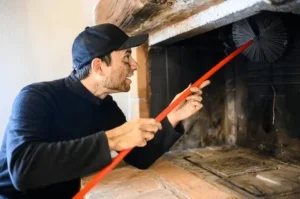
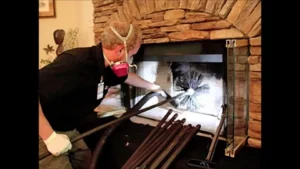
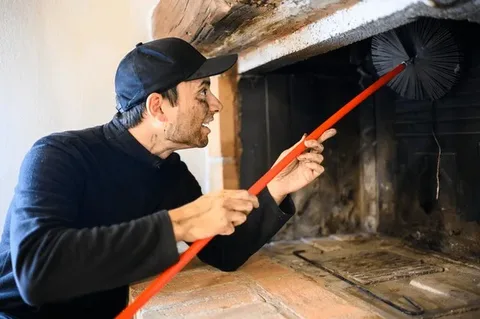
Technicians utilize specialized cameras to locate deep restrictions hidden inside masonry bends. Experienced crews deploy heavy-duty flexible rods and specialized scrapers to remove stubborn debris without damaging the surrounding clay tiles. Booking expert chimney blockage removal services in Bowie, MD guarantees that compressed leaves and broken bricks are completely cleared from the system. Removing these physical barriers immediately improves the upward velocity of fireplace exhaust.
Wildlife Exclusion Strategies
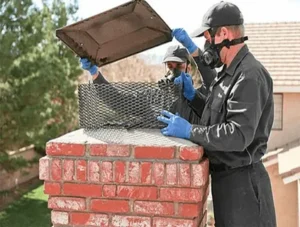
Birds and small mammals often view warm flues as ideal nesting sites during spring months. Raccoons and chimney swifts regularly build large nests that completely seal off the exhaust path. Investing in certified chimney blockage removal services in Bowie, MD allows professionals to safely extract these animal habitats without violating regional environmental protection laws. Installing heavy-gauge wire mesh screens keeps wildlife out while allowing smoke to pass freely.
Structural Elements and Environmental Draft Factors
External forces and architectural choices directly impact how well a fireplace vents. Air pressure balances inside modern energy-efficient homes can pull exhaust backward through the fireplace liner. When homes are sealed tightly, kitchen exhaust fans can create a negative pressure zone that overpowers a standard chimney draft.
Firebox Dimensions and Ratios
The opening of a fireplace must match the internal volume of the flue liner perfectly. If the hearth opening is too large for the exhaust path, smoke spills out into the room. Installing a smoke shield or modifying the floor height resolves this specific mechanical imbalance. Property owners often combine structural modifications with Expert chimney blockage removal services in Bowie, MD to ensure no secondary restrictions disrupt the newly balanced airflow ratios.
Exterior Temperature Impacts
Cold winter air resting inside an external brick stack creates a heavy barrier for rising exhaust. Heating the flue with a rolled newspaper before starting a fire helps establish the necessary upward draft. Well-insulated venting systems prevent this common cold-start issue completely. If structural repairs are needed to fix a permanently cold flue, local homeowners select comprehensive chimney smoke problem repair services in Bowie, MD to install insulated replacement liners.
Local Inspection Procedures and Service Standards
Fixing a smoky fireplace involves systematic troubleshooting rather than simple guesswork. Professional technicians follow strict diagnostic protocols to locate the exact point of system failure.
Diagnostic Evaluation Step by Step
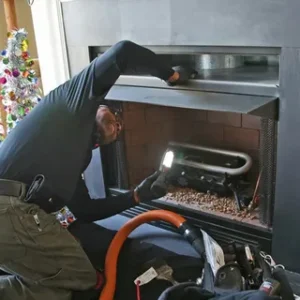
The inspection begins with a visual check of the hearth, damper operation, and firebox condition. Technicians then utilize video scanning equipment to view the condition of the internal liner from top to bottom. If hidden debris is found behind the flue tiles, the team schedules immediate chimney blockage removal services in Bowie, MD to safely clear the passage. Finally, a small smoke test confirms whether the system pulls air efficiently under normal operating conditions.
Repair Execution Processes
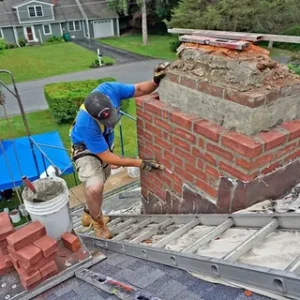
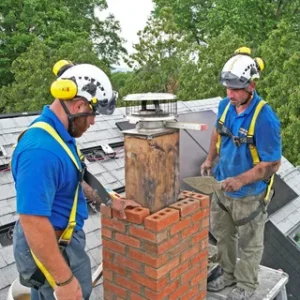
Once technicians identify the root cause, they apply specific mechanical fixes to the structure. This might involve replacing a broken damper plate, parging damaged smoke chambers, or rebuilding a deteriorating crown. Licensed professionals verify that all repair work matches regional safety codes before testing the fireplace. Securing professional chimney smoke problem repair services in Bowie, MD ensures these technical steps are performed with appropriate commercial equipment.
Regional Building Codes and Contractor Selection
Maryland homeowners must ensure all ventilation repairs align with strict regional safety regulations. The International Residential Code (2018) dictates specific height requirements for flues, stating they must extend at least three feet above the highest point where they pass through the roof.
Verifying Professional Credentials
Qualified technicians hold certifications from recognized industry organizations like the Chimney Safety Institute of America. These credentials verify that the specialist understands modern diagnostic techniques and proper clearance standards. When dealing with deep soot or bird nests, verified chimney blockage removal services in Bowie, MD protect your home from accidental property damage. Working with a dedicated ventilation company ensures your system meets local safety benchmarks.
Choosing Specialized Local Providers
General handymen often lack the specialized diagnostic video equipment needed to view internal liner cracks. A dedicated specialist focuses exclusively on venting systems, bringing targeted diagnostic tools to every residential project. Sourcing dedicated chimney blockage removal services in Bowie, MD prevents incomplete clearings that leave hidden fire hazards behind. Companies like CSR Chimney Service understand how local Prince George’s County weather patterns affect home draft performance.
Conclusion
Fixing a smoking fireplace protects your family from carbon monoxide exposure and keeps indoor air clean. Identifying whether you face a simple blockage or a structural draft failure requires specialized tools and technical training. Professional chimney smoke problem repair services in Bowie, MD provide the precise diagnostics needed to restore proper ventilation. Addressing these performance problems early prevents creosote fires and maintains the long-term value of your masonry structure.
Ensuring your ventilation system remains completely open requires a mixture of annual cleanings and targeted mechanical upgrades. When foreign materials or nesting animals choke your fireplace, scheduling certified chimney blockage removal services in Bowie, MD eliminates the physical barriers that trigger dangerous indoor backpuffing. If you notice smoke backing into your home, reaching out to CSR Chimney Service for a professional draft assessment will ensure your fireplace operates safely all winter long.
FAQs
Why does smoke back up into my Maryland home when I start a fire?
Cold air plugs often trap exhaust inside external brick flues during sudden temperature drops. Creosote accumulation or animal nests also block air paths, forcing dangerous fumes back through your fireplace opening into living spaces.
How often should I request chimney blockage removal services in Bowie, MD?
Homeowners should schedule a professional safety inspection at least once per year according to national safety standards. Regular checks find leaf accumulation, nesting materials, and structural debris before you light your first seasonal fire.
Do I need a building permit for flue liner repairs in Prince George’s County?
Minor structural cleaning and component replacements do not require permits, but full relining projects often need local approval. Working with a registered contractor ensures all structural modifications comply with current Prince George’s County building codes.
Will a new stainless steel cap solve my drafting issues during windy days?
Specialized wind-resistant caps prevent heavy down-drafts from pushing exhaust backward into your home during regional storms. These caps also prevent rain entry and keep local wildlife from building nests inside your ventilation system.
What is the standard height requirement for a rooftop flue structure?
Regional building codes require the masonry stack to extend at least three feet above the roof surface. The structure must also stand two feet higher than any portion of the building within a ten-foot horizontal radius.